EMDR Therapy Emotional Gains
EMDR Therapy Emotional Gains refer to increased emotional stability, self-awareness, and healthier responses to stress.
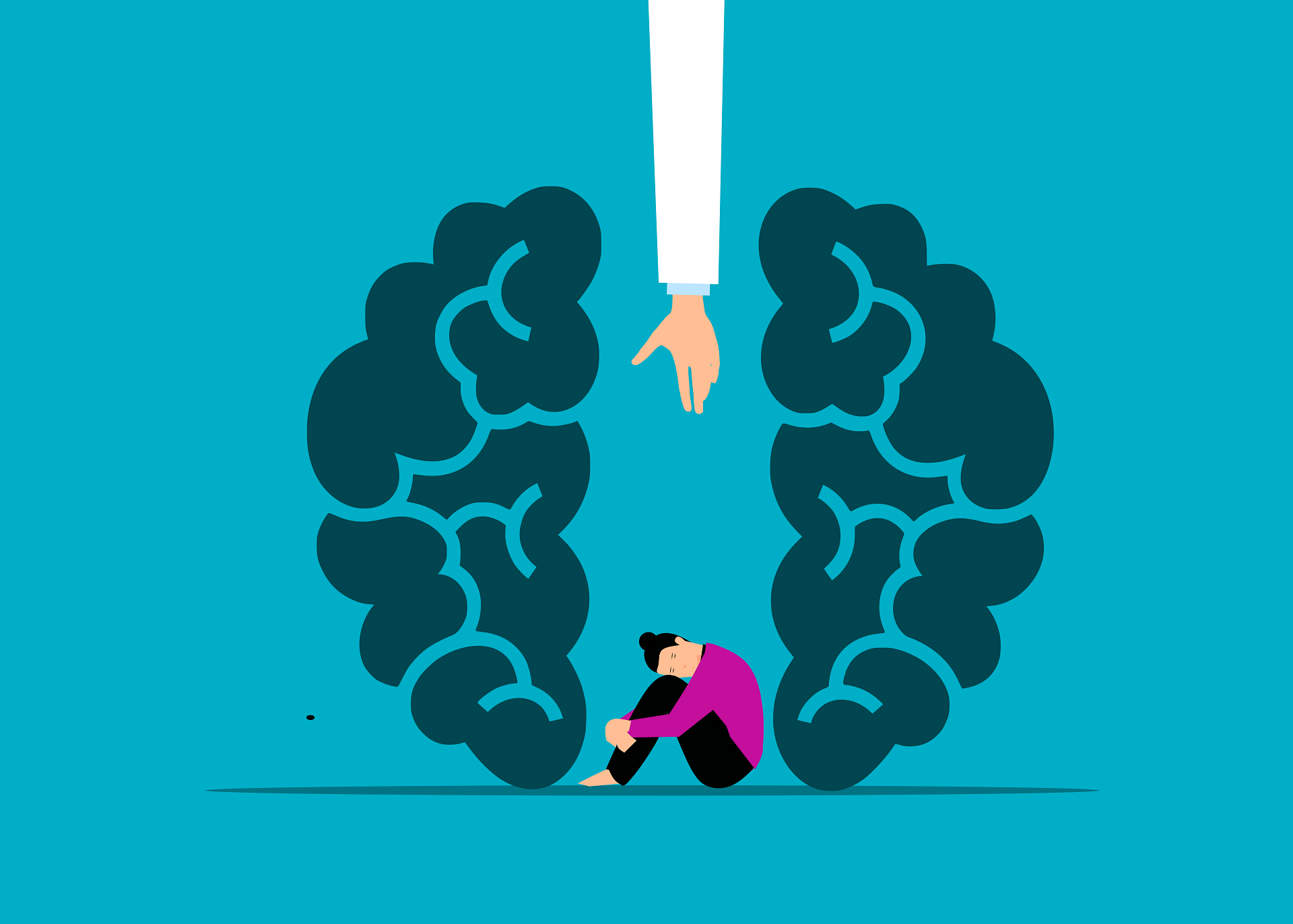
EMDR Therapy Emotional Gains refer to increased emotional stability, self-awareness, and healthier responses to stress.
Common gains include reduced distress tied to past events, less anxiety or shame, fewer and weaker triggers, improved emotional regulation, greater self-worth and self-compassion, and a stronger sense of safety, calm, and resilience.
By activating and reprocessing distressing memories while maintaining present-moment dual attention (e.g., bilateral stimulation), EMDR helps the brain reconsolidate memories with more adaptive beliefs, so the feelings attached to them lose intensity and become easier to manage.
Some people notice relief within a few sessions, especially for single-event trauma; complex or long-standing issues typically take longer (8–20+ sessions). Gains often consolidate between sessions and can be long-lasting when supported by coping skills and occasional follow-ups.